Ratul Puri, Chairman, Hindustan Power
An independent power producer built around two verticals — transitional energy generation that serves base load today, and renewable generation for the system India is moving towards.
As Chairman of Hindustan Power, Ratul Puri sets the direction of a portfolio that deliberately spans more than one technology. The company describes its structure as two verticals: transitional energy generation and renewable energy. The reasoning behind that structure is straightforward — India needs base load met reliably today while it accelerates the shift to clean power for tomorrow, and a portfolio built for only one of those two jobs will struggle at the other.
That view has shaped how projects are selected. The emphasis has been on assets that are financially and operationally sound rather than simply large, and on an integrated approach in which generation, storage and delivery are planned together rather than sequentially.
Transitional energy generation
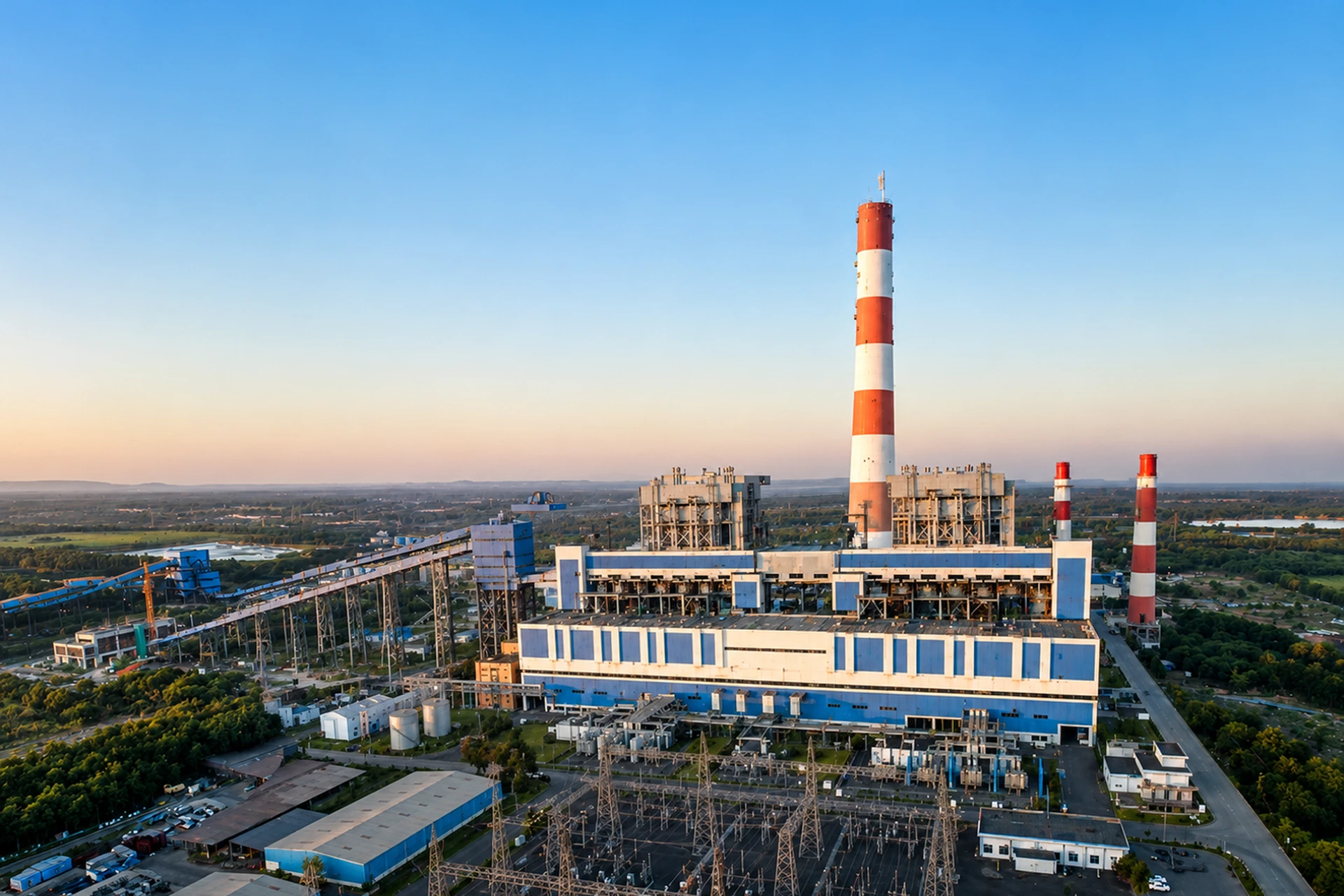
The transitional vertical exists because demand does not pause for the transition. India's evening peak, its industrial load and its rising cooling demand all need firm capacity. Hindustan Power's thermal development began with construction commencing in Madhya Pradesh in 2010, a fuel supply agreement signed in 2013, and commissioning of the thermal asset in 2015.
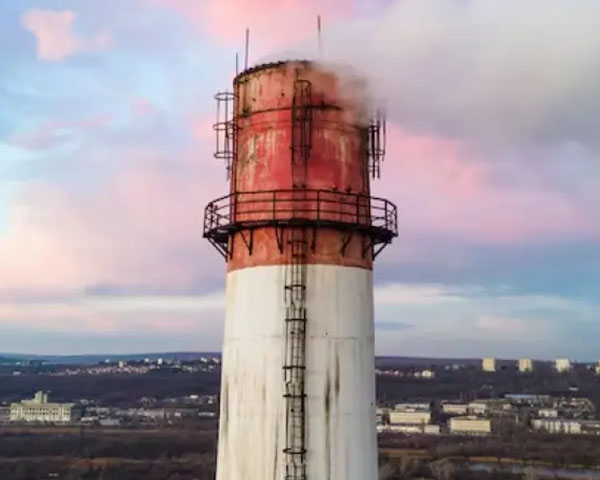
The obligations attached to those assets have continued well past commissioning. Flue-gas desulphurisation installation was completed in 2024 — an emissions-control retrofit that materially changes the environmental profile of an operating plant and is treated as part of running the asset properly rather than as a compliance formality.
Renewable energy
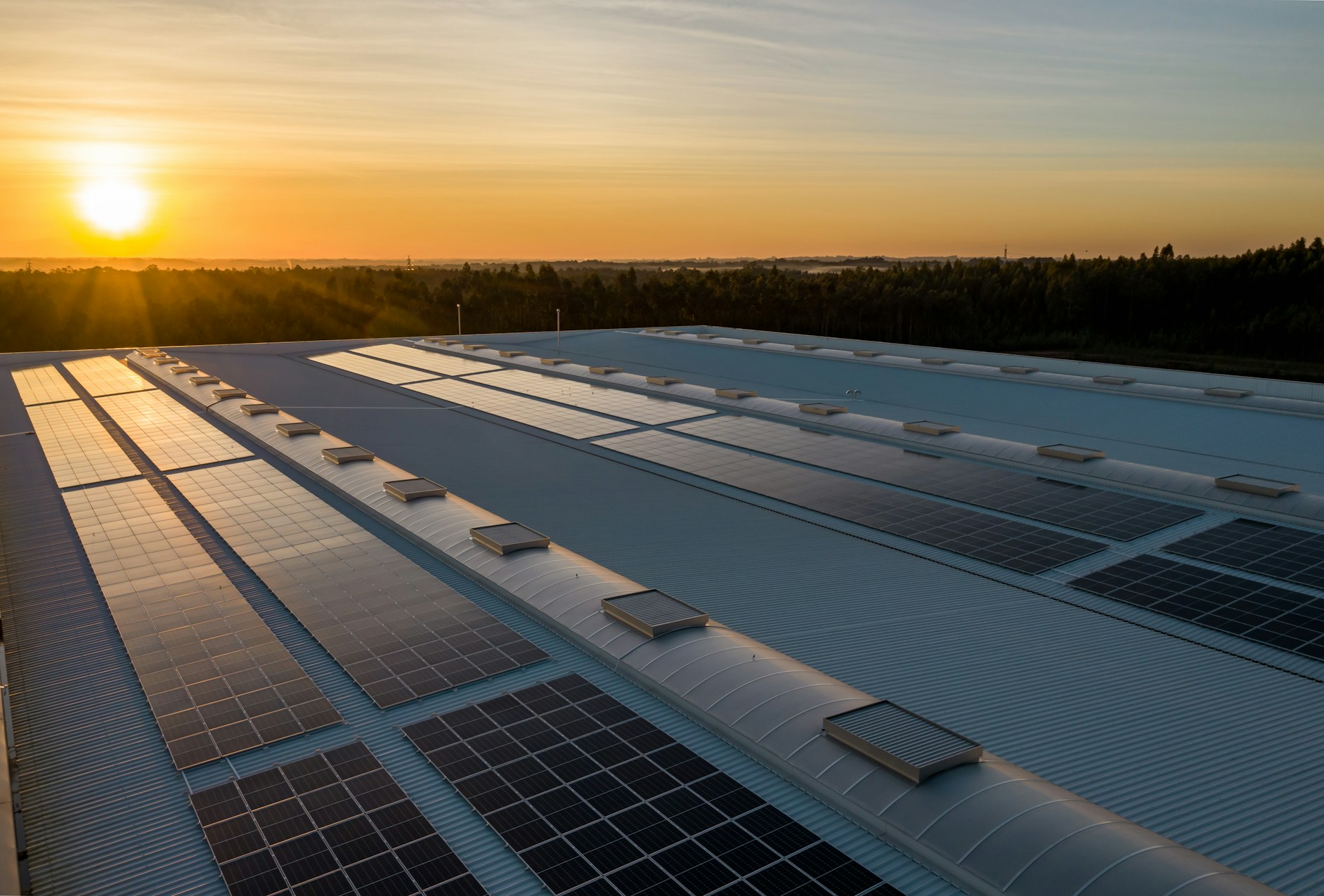
The renewable vertical traces back to 2010, when the company brought online a 5 MW solar facility — one of India's first utility-scale solar plants, and an early example of solar at commercial scale in the country. Since then the portfolio has grown with the market, and the company has set out a plan to expand its energy portfolio significantly by 2028.
What has changed in that period is where the difficulty lies. Solar tariffs fell, module supply matured and project execution became routine. The binding constraints moved to transmission availability, curtailment, and the absence of storage to shift daytime solar into the evening. Hindustan Power's more recent positioning — pairing generation with storage, and treating delivery as part of the product — follows from that shift.
Storage, mining and the wider portfolio
Alongside generation, the group holds interests in battery storage and mining. Storage is the piece that makes a high-renewables grid behave predictably; mining sits upstream of the fuel and materials chain. Neither is a diversification for its own sake — both are adjacent to the same question of how electricity actually reaches a customer at the moment it is needed.
Read more on the thinking behind this in Ratul Puri on India's energy transition, or see the project record in achievements and milestones.
Portfolio at a glance
Two verticals, one system view
Transitional energy generation
Firm capacity serving base load, with emissions-control systems retrofitted at operating plants. Development began in Madhya Pradesh in 2010 and the asset was commissioned in 2015.
Renewable energy
Solar generation from 2010 onward, beginning with a 5 MW plant among the first at utility scale in India, increasingly paired with storage rather than built standalone.
Storage and mining
Battery storage to firm up variable renewable output, and mining interests upstream of the fuel and materials chain.
Direction
Doubling capacity by 2028
The stated objective is to double generation capacity by 2028 across both verticals. Rising demand, sustained policy support and improved renewable economics make the target plausible; transmission build-out and storage availability are the variables that will determine how much of that new capacity actually reaches customers.