Beyond low-cost power: the move to clean energy reliability
Competitive auctions made renewable energy mainstream. The question now is whether that power can be stored, moved and delivered when it is needed.
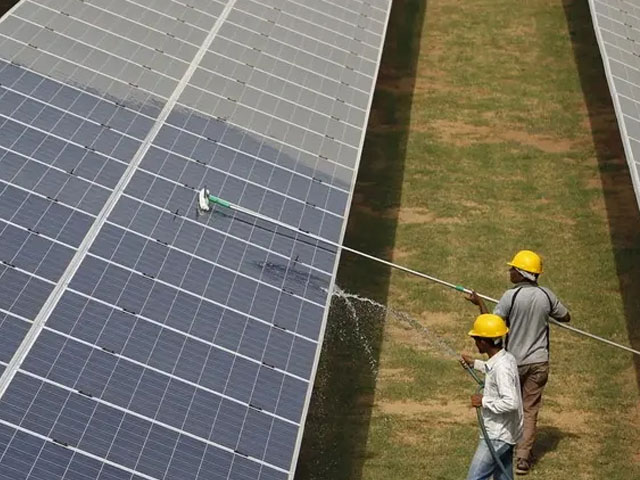
India’s renewable energy story is entering a new phase. Competitive tariff auctions, falling technology costs and sustained investment have taken renewables from a policy ambition to the mainstream of the generation mix. The attention is now shifting to a different question: how that power is stored, transmitted and delivered at the hours the system actually needs it. That argument is set out in Ratul Puri: Beyond Low-Cost Power to Clean Energy Reliability, published in The Wire.
The shift is structural rather than rhetorical. As renewable penetration rises, a power sector cannot remain focused only on adding generation capacity; what matters is how effectively that capacity serves the wider system and meets rising demand. With India progressing towards its 2030 non-fossil capacity goals, procurement is gradually moving beyond a lowest-tariff approach to one that also weighs dependability, balancing capability and long-term system economics.
From lowest tariff to lowest system cost
That changes how the cost of renewable power should be assessed. Judging projects on tariff competitiveness alone is no longer sufficient once integration reaches scale, because transmission constraints, intermittency, balancing requirements, storage needs and curtailment risk all bear on the real cost of delivering electricity. A lowest-systemic-cost view captures what a tariff comparison leaves out.
Storage-backed renewable and hybrid projects may carry a higher upfront cost, but they reduce pressure on the wider system, improve renewable utilisation and strengthen availability at peak. Projects combining solar, wind and battery storage matter particularly here: they can serve evening demand with clean power that is dispatchable rather than merely available. Flexibility services deserve the same explicit recognition. Ramping reserves, frequency response and fast-response balancing were historically absorbed by conventional generation and system operations without being valued as products; in a high-renewables system they are essential. Battery energy storage and pumped hydro sit at the centre of that, and expanding both depends on supportive policy frameworks, faster regulatory approvals and streamlined land and water clearances.
Grid readiness and market design
Grid readiness remains a serious constraint. Several Indian states hold significant solar and wind potential, yet inadequate transmission infrastructure delays connectivity and power evacuation. States therefore need a more active role in planning and commissioning intrastate networks on timelines aligned with both renewable project schedules and national transmission planning.
Transmission upgrades alone will not be enough. Distribution infrastructure — modern lines, substations and transformers — determines how much renewable generation can be evacuated, how much is lost to congestion, and whether distributed solar can be integrated at all. Alongside that sits market design: stronger ancillary service markets for ramping, frequency response and fast balancing are what allow higher renewable penetration to be managed rather than simply absorbed.
India’s experience is part of a broader global pattern. Countries adding renewable capacity at pace are finding that it has to move in step with investment in storage, balancing markets and demand-side flexibility; the European Union’s experience points the same way. The objective for India is a balance between renewable expansion, system responsiveness and dependable delivery — clean generation, storage, modern grid infrastructure and efficient market mechanisms working as one system.
Originally published in The Wire. Read the full piece at the source.
More on this theme in Ratul Puri on India's energy transition, or read about his role as Chairman of Hindustan Power.