‘Doing solar without battery makes limited sense’, says Ratul Puri, Chairman, Hindustan Power
The clean energy shift now depends less on generation capacity and more on building the ecosystem around it.
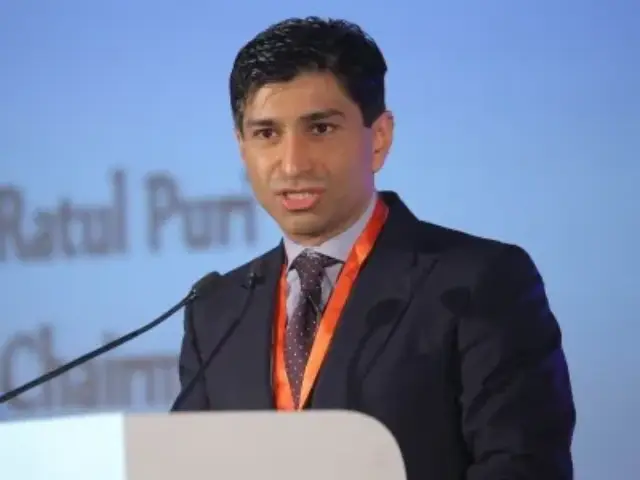
The position is deliberately blunt: in the current phase of India’s energy transition, building solar without battery storage makes limited sense. It is an argument about timing rather than about technology preference.
Solar generates in a predictable daily arc that peaks around midday. Indian electricity demand peaks in the evening, after the sun has gone. For as long as solar was a small share of the mix, that mismatch was absorbed by the rest of the system without much difficulty. At close to a third of generation share, it is no longer absorbed — it is paid for, either by curtailing surplus daytime output or by holding firm capacity in reserve to cover the evening ramp.
Storage as part of the asset, not an accessory
Pairing generation with storage changes what a solar project is. Instead of selling whatever it happens to produce at the moment it produces it, the plant can shape its output to the hours when the system actually needs power — and be paid accordingly. That reframes storage as part of the generating asset rather than as a separate line item to be added later if economics permit.
Battery costs have fallen far enough for this to be a commercial argument rather than an aspirational one. Tenders in India increasingly specify firm or peak-shifted supply rather than raw energy, which prices the difference directly.
The wider ecosystem
Storage is the most visible piece of a larger point. The supporting ecosystem — transmission capacity, forecasting, despatch flexibility, domestic manufacturing of cells and modules — determines how much of the installed base becomes useful electricity. Capacity numbers on their own describe potential, not delivery.
For Hindustan Power, this shapes project selection: an integrated view in which generation, storage and delivery are planned together, across both the renewable and transitional verticals.
Originally published in BW Businessworld. Read the full piece at the source.
More on this theme in Ratul Puri on India's energy transition, or read about his role as Chairman of Hindustan Power.