Hindustan Power: meeting India’s rising power demand with integrated solutions
An interview covering focus areas, milestones, transition work and the company’s strategic priorities.
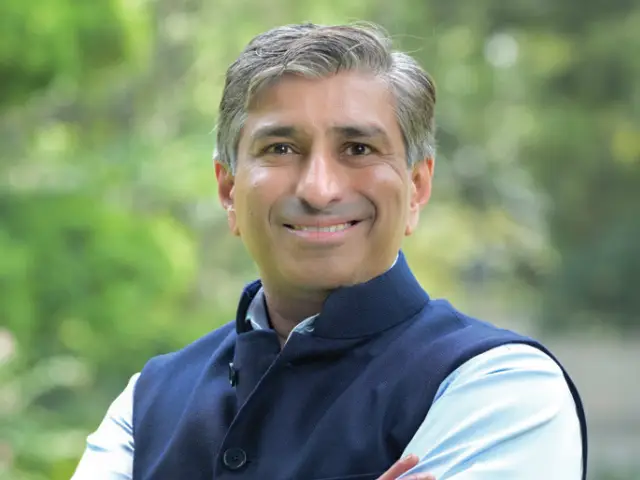
Speaking to Power Line, Ratul Puri set out how Hindustan Power approaches a market in which demand is rising faster than at any point in the last two decades, and in which the composition of supply is changing at the same time.
The company operates two verticals — transitional energy generation and renewable energy. The structure is deliberate: base load requirements have to be met today, while the shift to clean power is accelerated for the future. A portfolio built for only one of those obligations struggles at the other.
Milestones behind the current position
The renewable side traces back to 2010, when the company commissioned a 5 MW solar plant among the first at utility scale in India. The transitional side began construction in Madhya Pradesh in the same year, signed a fuel supply agreement in 2013 and commissioned in 2015. Flue-gas desulphurisation was completed at the operating plant in 2024.
Those dates describe a company that has operated through several distinct market regimes — feed-in tariffs, reverse auctions, module price collapse, and the current shift toward firm and storage-linked supply.
Strategic priorities
The stated objective is to double capacity by 2028, across both verticals. The selection discipline behind it favours projects that are financially and operationally sound over projects that are simply large, on the view that a portfolio of well-structured assets survives tariff cycles better than a portfolio assembled for scale.
Alongside that sit interests in battery storage and mining — adjacent positions that relate to the same question of how electricity reaches a customer at the moment it is needed.
Originally published in The Wire. Read the full piece at the source.
More on this theme in Ratul Puri on India's energy transition, or read about his role as Chairman of Hindustan Power.