Ratul Puri on renewable energy: the next phase of growth will be reliable power delivery
Resource-rich states need advanced transmission systems before their resource becomes useful electricity.
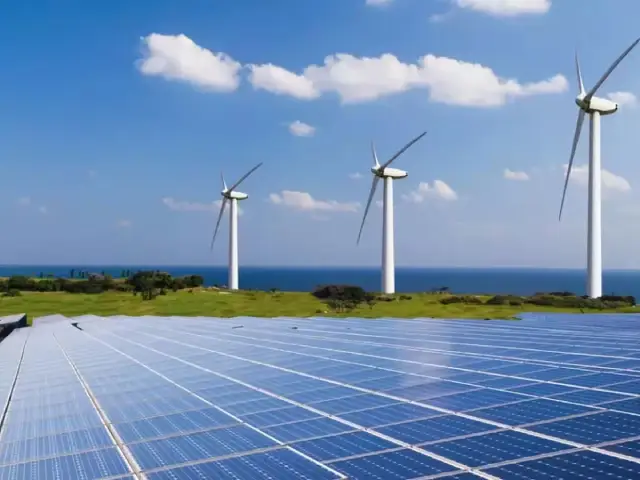
The first phase of India’s renewable growth was about getting projects built: securing land, driving down module costs, learning to execute at scale, and establishing that developers could deliver on the timelines they promised. That phase largely succeeded.
The next phase is about delivery. States rich in solar and wind require advanced transmission systems to move that generation to where it is consumed, and the pace of that network build-out now sets the pace of the transition as a whole.
What ‘reliable delivery’ means in practice
It means evacuation capacity available when a project commissions, not two years afterwards. It means inter-state corridors sized for the resource behind them. It means storage that converts a midday surplus into an evening supply. And it means forecasting accurate enough that a system operator can accept variable output without holding excessive reserve.
Each of these is an engineering and procurement problem with known solutions. What they share is that none of them are the generator’s to solve alone, which is why coordination between developers, transmission utilities and regulators determines the outcome.
Implications for how projects are selected
For a developer, this changes what a good project looks like. Grid connectivity and evacuation certainty carry more weight relative to raw resource quality than they did five years ago. Projects that combine generation with storage price better against tenders asking for firm or peak supply. And portfolios spanning more than one technology have more ways to meet a given delivery obligation.
Originally published in Outlook Business. Read the full piece at the source.
More on this theme in Ratul Puri on India's energy transition, or read about his role as Chairman of Hindustan Power.